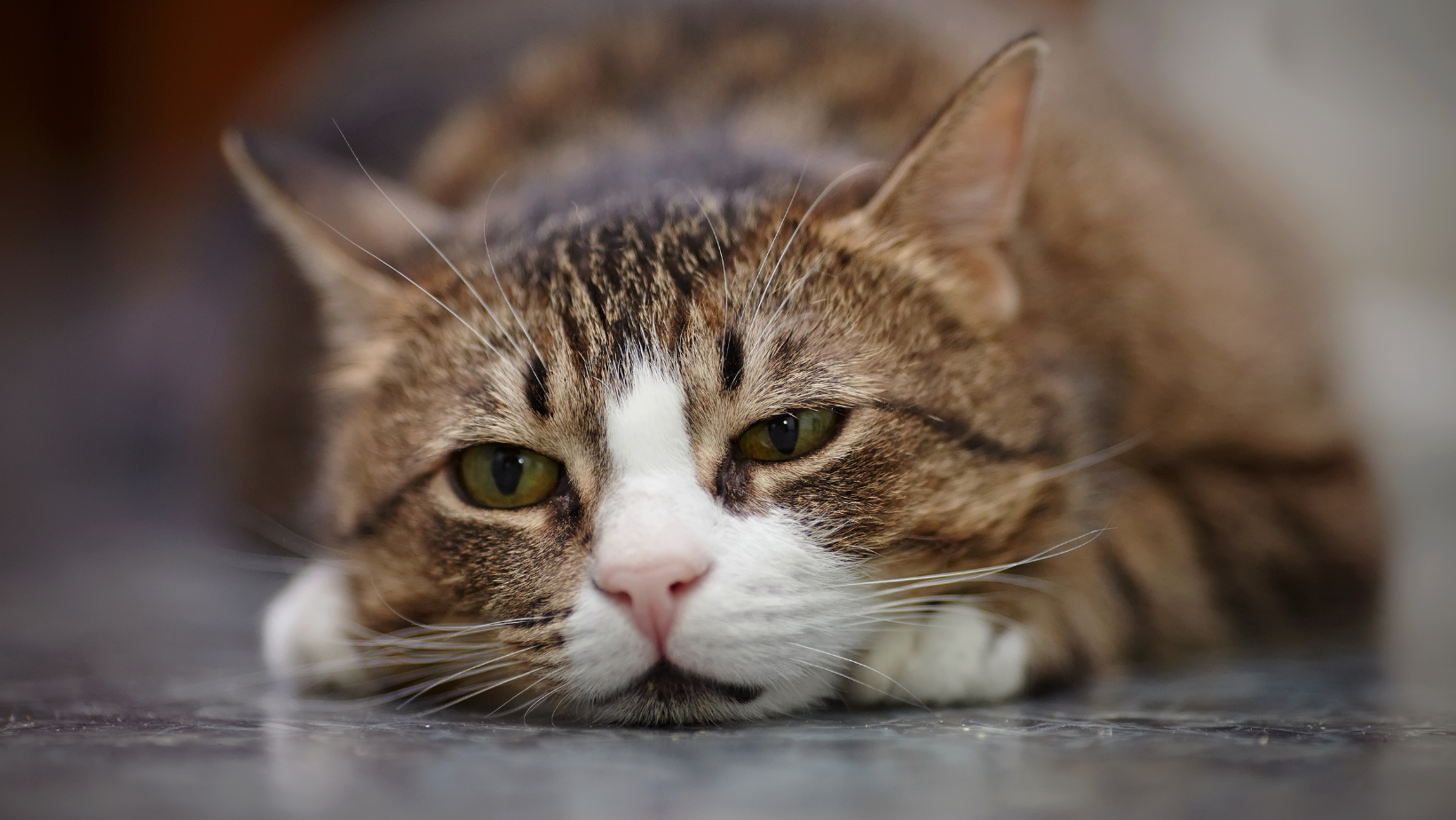
Cats are fascinating creatures with a rich and nuanced language that they use to communicate with their human companions and fellow felines. By understanding cat body language, you can decipher their moods, feelings, and intentions more effectively. In this guide, we’ll delve into the subtle yet expressive world of cat body language to strengthen the bond with your feline friend.
Tail Position
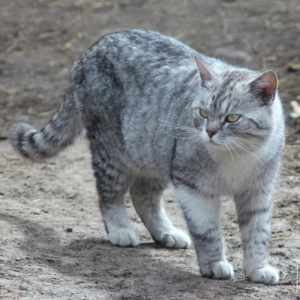
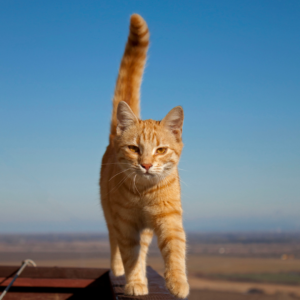
Straight Up:
Indicates confidence and a friendly mood.
Puffed Up:
Signals fear, aggression, or excitement.
Ears
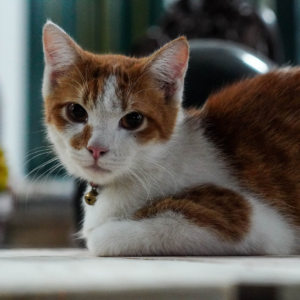
Forward:
Sign of curiosity and interest.
Backward or Flattened:
Suggests fear, anxiety, or aggression.
Eyes
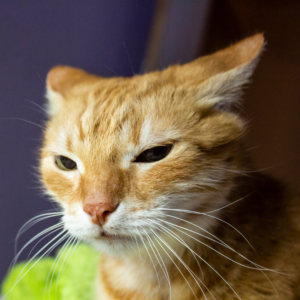
Slow Blinking:
A gesture of trust and affection.
Dilated Pupils:
Indicates excitement, fear, or aggression.
Whiskers
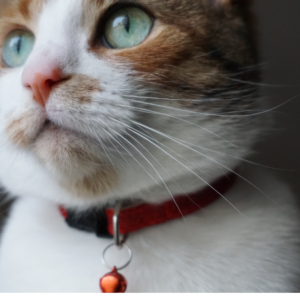
Forward:
Indicates curiosity and excitement.
Pulled Back
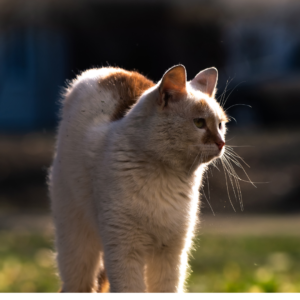
Suggests fear or uncertainty.
Body Posture:
Relaxed Body:
Sign of contentment and comfort.
Arched Back
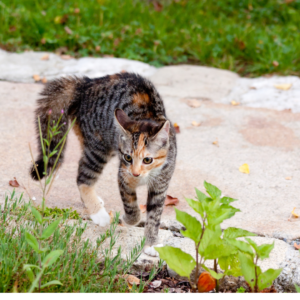
Indicates excitement, playfulness, or fear.
Crouched Posture:
Suggests fear or a readiness to play or pounce.
Purring
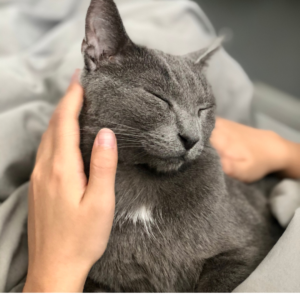
Content Purring:
Sign of relaxation and happiness.
Stressed or Sick Purring:
Cats may purr when stressed or unwell.
Kneading
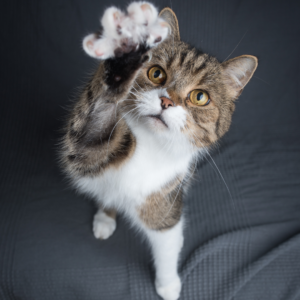
Kneading with Paws:
A kittenish behavior indicating contentment.
Anxious Kneading:
Can signal stress or discomfort.
Rubbing Against You

Head Butting or Cheek Rubbing:
Displays affection and marks you with scent.
Side Rubbing:
Indicates friendship and a desire to be close.
Hissing or Growling
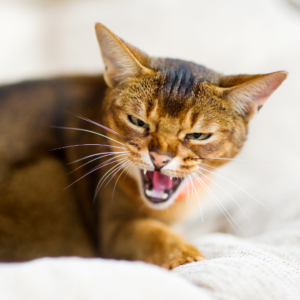
Defensive Posture:
Warns of fear, aggression, or discomfort.
Growling:
Indicates discomfort or territorial behavior.
Tail Puffing
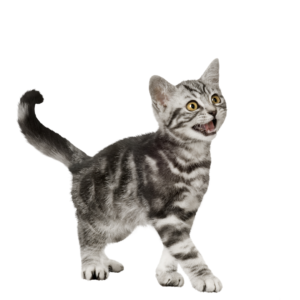
Puffed Tail:
Suggests fear, agitation, or being startled.
Belly Exposure
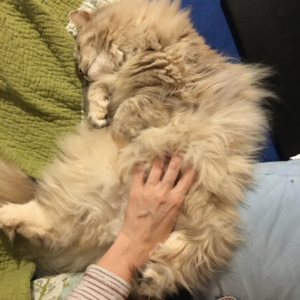
Exposing Belly:
Indicates trust and vulnerability.
Some cats may not appreciate belly rubs despite exposing their belly.
Hiding or Seeking Solitude
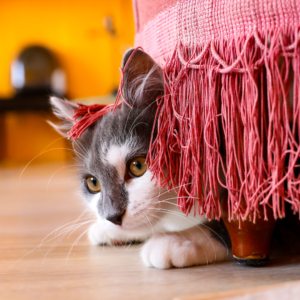
Hiding:
Can signal illness, fear, or discomfort.
Cats may seek solitude when feeling unwell or stressed.
Chirping or Chattering
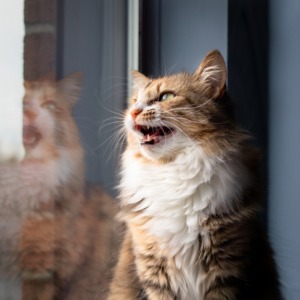
Bird Watching Chirps:
Indicates excitement and frustration.
Cats may vocalize when watching birds through a window.
Scratching
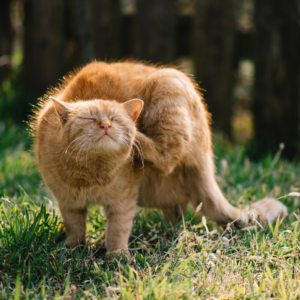
Scratching Objects:
Serves as a natural behavior to mark territory and maintain claws.
Can also signify stretching and sharpening claws.
Tail Flicking
Quick Tail Flicks:
Suggests annoyance or irritation.
Often observed when a cat is agitated.
Understanding cat body language is an art that deepens the connection between you and your feline companion. By paying attention to their subtle cues, you can respond appropriately to their needs and emotions. Cats, with their mysterious and graceful demeanor, provide a canvas of expressions that, once decoded, allow for a more harmonious and enriched relationship. Take the time to observe and respect your cat’s signals, and you’ll find yourself navigating the fascinating landscape of feline communication with greater insight and understanding.
